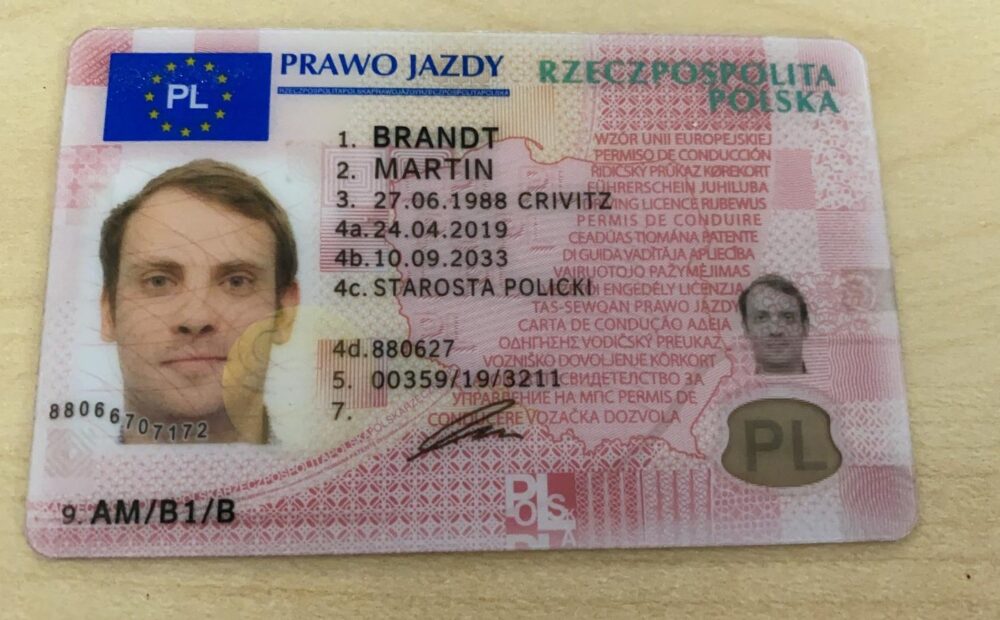
The Perilous Price of Shortcuts: Why "Driving License for a Fee" Endangers Us All
In the pursuit of benefit and often sustained by a disregard for due process, the insidious practice of acquiring a "driving license for a fee" continues to plague many societies across the globe. This illicit shortcut, where people pay to bypass genuine screening and training requirements, presents a severe threat to roadway security, undermines the integrity of licensing systems, and carries serious legal effects for all included. While the allure of an easy route might seem tempting to some, the long-term consequences of this unlawful practice are far-reaching and destructive, impacting not just people but the whole neighborhood.
This article explores the world of "driving licenses for a cost," checking out the reasons behind its presence, the risks it poses, the ethical and legal ramifications, and most importantly, why getting a license through legitimate channels is not simply a rule to follow, but a crucial commitment to personal and public security.
The practice of paying for a driving license, typically referred to as "buying a license," can manifest in various kinds. It can range from bribing officials at licensing centers to engaging with intermediaries who assure to provide a license without needing the candidate to undergo the necessary driving exam or understanding evaluations. These plans profit from loopholes within the system, making use of corruption and ineffectiveness to offer a relatively effortless course to legal driving status.
The Allure of the "Easy Route": Why Individuals Seek Paid Licenses
Numerous aspects add to the demand for "driving licenses for a fee." For some, it originates from an uncertainty in their driving capabilities or an unwillingness to invest the time and effort required for appropriate driving education. The possibility of facing driving tests, both theoretical and useful, can be intimidating. People might view these tests as extremely strenuous or feel unprepared, leading them to seek an easier, albeit prohibited, alternative.
In addition, in some regions, administrative processes for getting a license can be notoriously slow and cumbersome. The perceived inconvenience of browsing paperwork, long queues, and several check outs to licensing offices can push people towards seeking a quicker, albeit unethical, service. The promise of a license provided with minimal effort and within a brief timeframe ends up being an attractive proposal, especially for those with time restrictions or a basic hostility to administrative treatments.
However, perhaps the most significant aspect cultivating this practice is the presence of corruption within the licensing system itself. In areas where corruption is rampant, authorities might be ready to overlook regulations and concern licenses in exchange for monetary incentives. This creates a black market for driving licenses, fueled by those seeking to circumvent the legitimate procedure and those going to exploit the system for individual gain.
The Grave Consequences: Risks and Repercussions of Illegally Obtained Licenses
The ramifications of getting a driving license for a charge are profoundly serious and extend far beyond specific unlawful acts. The most immediate and concerning effect is the increased danger to road security. Motorists who get licenses without proper training and screening are fundamentally unqualified to run automobiles securely. They lack the necessary abilities, understanding of traffic laws, and understanding of responsible driving behavior.
This shortage translates directly into a higher likelihood of accidents. Unqualified motorists are more likely to make errors in judgment, respond poorly to roadway risks, and lack the proficiency to manage tough driving scenarios. The presence of such drivers on the roads elevates the risk for all road users, including pedestrians, cyclists, and other drivers who are legitimately licensed and trained.
Beyond the instant danger to life and limb, getting a license unlawfully carries substantial legal consequences. Both the individual who acquires the license and those who facilitate the prohibited deal are devoting severe offenses. Charges can range from significant fines and license revocation to imprisonment, depending upon the particular legal framework and the seriousness of the infraction. Furthermore, if a mishap takes place including an unlawfully certified motorist, insurance coverage claims might be revoked, leaving the specific personally liable for damages and dealing with even more serious legal repercussions.
On a more comprehensive social level, the practice of "driving licenses for a fee" erodes public rely on organizations and weakens the rule of law. It signifies a systemic failure in the licensing process and cultivates a culture of corruption and impunity. When individuals can bypass legal requirements through bribery, it deteriorates the very fabric of a simply and equitable society.
The Legal and Ethical Imperative: Earning Your License properly
Obtaining a driving license through legitimate channels is not merely about abiding by policies; it's about accepting an essential obligation for road security and adding to a much safer community for everybody. The process of learning to drive, undergoing training, and passing driving tests is developed to make sure that all certified chauffeurs have the minimum competency needed to run vehicles safely and properly.
The genuine procedure normally includes the following crucial steps:
- Obtaining a Learner's Permit: This is the initial step, needing individuals to pass a theoretical knowledge test showing their understanding of traffic laws and road indications.
- Enrolling in Driving School: Structured driving lessons from certified trainers offer crucial useful training, covering lorry control, driving maneuvers, and safe driving methods.
- Practical Driving Test: This assesses the candidate's ability to operate a lorry safely in real-world driving conditions, showing proficiency in driving skills and adherence to traffic rules.
- Knowledge Test (if suitable): Some jurisdictions may require a more understanding test closer to the practical test to reinforce theoretical understanding.
- License Issuance: Upon successfully finishing all required tests, the individual is granted a driving license, representing their legal authorization to operate a car.
By vigilantly following these steps, people not just get the legal right to drive however also get vital abilities and understanding that contribute to much safer driving practices and reduced accident dangers. prawo jazdy w Polsce 's a dedication to individual advancement, road security, and ethical conduct.
Browsing the System Legally and Avoiding Scams
To guarantee you acquire a driving license legitimately and avoid falling prey to frauds promising "licenses for a charge," it's essential to be alert and informed. Here are some pointers:
- Deal Directly with Official Licensing Authorities: Always approach the main federal government licensing firm in your area for info and application procedures. Avoid intermediaries or informal channels.
- Pick Reputable Driving Schools: Select driving schools that are officially registered and recognized by the licensing authority. Confirm their qualifications before enrolling.
- Watch Out For Unsolicited Offers: Be extremely suspicious of anybody who provides to provide a driving license rapidly and easily for a fee, especially if they claim to bypass tests or requirements. These are generally deceitful.
- Document Everything: Keep records of all interactions, payments, and documents submitted throughout the licensing process.
- Report Suspicious Activities: If you come across anybody offering "licenses for a cost" or believe corrupt practices, report it to the pertinent authorities.
Combating Corruption and Promoting Transparency in Licensing Systems
Attending to the source of "driving licenses for a fee" requires a multi-pronged method focused on combating corruption and enhancing the efficiency and openness of licensing systems. This includes:
- Strengthening Oversight and Accountability: Implementing robust oversight mechanisms within licensing agencies to avoid and find corrupt practices.
- Using Technology: Employing technology to enhance processes, minimize human intervention, and improve openness in license applications and testing. Online application portals, digital record-keeping, and automated testing systems can help reduce opportunities for corruption.
- Public Awareness Campaigns: Educating the general public about the threats of "licenses for a fee," the value of genuine licensing processes, and the legal effects of taking part in unlawful practices.
- Stricter Enforcement and Penalties: Implementing more stringent penalties for both those who use and those who seek to acquire licenses illegally, sending out a clear message that such actions are unacceptable and will be seriously penalized.
- Improving Efficiency of Legitimate Processes: Streamlining administrative processes and minimizing administrative hurdles in genuine licensing to lessen the viewed need for shortcuts.
Conclusion: Driving Safely Starts with Licensing Legally
The attraction of a "driving license for a fee" might seem appealing to those seeking a quick and easy route to driving privileges. However, this relatively convenient faster way comes at a remarkable expense-- the expense of compromised roadway safety, wore down public trust, and prospective legal destroy. The dangers posed by unqualified chauffeurs navigating our roadways are indisputable, and the ethical implications of bypassing legal processes are extensive.
Acquiring a driving license through genuine channels is not practically adhering to rules; it's an essential dedication to personal duty and the security of our neighborhoods. By prioritizing appropriate training, strenuous screening, and ethical conduct, we add to more secure roadways for everyone and maintain the stability of the systems developed to safeguard us. Let us pick the course of legality and duty, making sure that every driver on the roadway has actually earned their license through legitimate means, fostering a culture of safety and respect for the law.
Often Asked Questions (FAQs)
Q: Is it ever appropriate to pay someone to accelerate the driving license process legally?A: No. Legitimate driving license processes run through official channels and designated treatments. Any deal to expedite the process for a cost beyond these authorities channels is most likely unethical or prohibited, and could be a rip-off.
Q: What are some common methods used in "driving license for a fee" rip-offs?A: Scammers may claim to have connections within licensing companies, deal to bypass tests, or promise to deliver a license without any effort from the candidate. They typically require upfront payments and may vanish after receiving the cash.
Q: How can I report somebody offering "driving licenses for a fee"?A: You should report such people to the official licensing authority in your region or to law enforcement firms responsible for combating corruption and scams.
Q: What should I do if I am used a "driving license for a cost"?A: Immediately refuse the deal. File the interaction and report it to the appropriate authorities. Do not engage further or provide any personal info or payment.
Q: What are the charges if I am caught with a driving license obtained illegally?A: Penalties vary depending upon the jurisdiction, but can consist of significant fines, license revocation, and even imprisonment. Additionally, your insurance coverage might be revoked in case of an accident, leaving you economically and lawfully susceptible.